
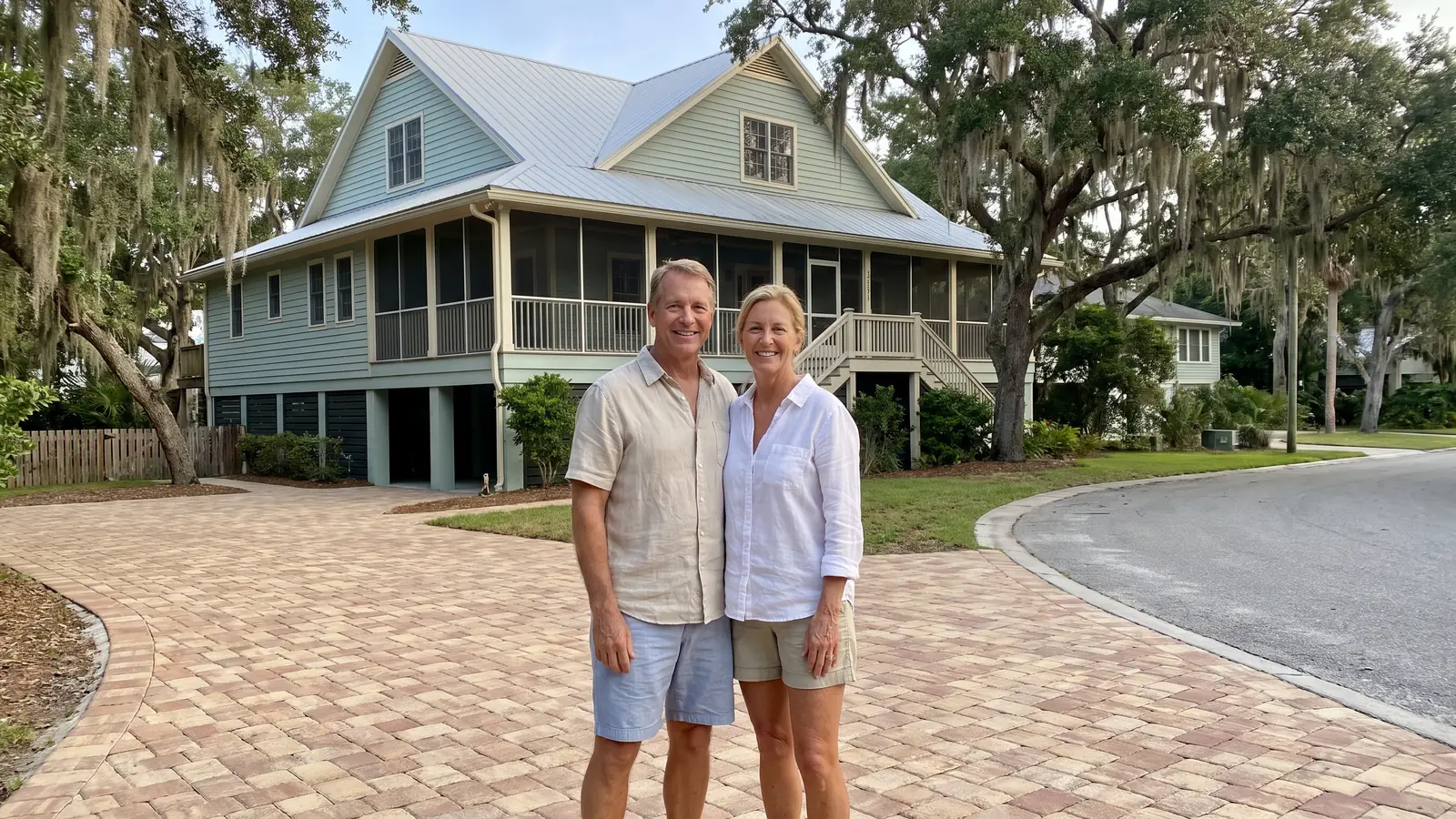
Paver sealing for Jacksonville homes
Paver Sealing in Jacksonville, FL
Jacksonville pollen, summer storms and strong sun all wear on pavers, so call (904) 932-1301 for a free estimate.
- Brings out deeper paver color
- Fresh joint sand helps lock pavers in place
- Gives weeds less room to grow
- Makes the surface easier to keep clean
- Free estimate, no obligation
Request a Free Estimate
Free, no obligation.
Fast, careful paver sealing in Jacksonville
Jacksonville homeowners can book paver sealing for a driveway, patio, walkway or pool deck, and the estimate is free. A local contractor looks at the job in person and gives you a price before anything is agreed. Once you get a free estimate online for your Jacksonville address, expect an answer within 1 business day, usually much sooner.
Picture a driveway gone pale in the sun, with a dusting of spring pollen and weeds poking up where the joint sand used to be. After a wash, new sand and a fresh coat, those same pavers show one even color again. To describe what yours look like today, call (904) 932-1301.
The work covers the whole job, not only the coat on top. That means washing, pulling weeds, refilling the joints and sealing, and sunken spots can be looked at during the same visit. If you are not sure yet what your Jacksonville pavers need, get a free estimate online and the contractor can tell you after a look.
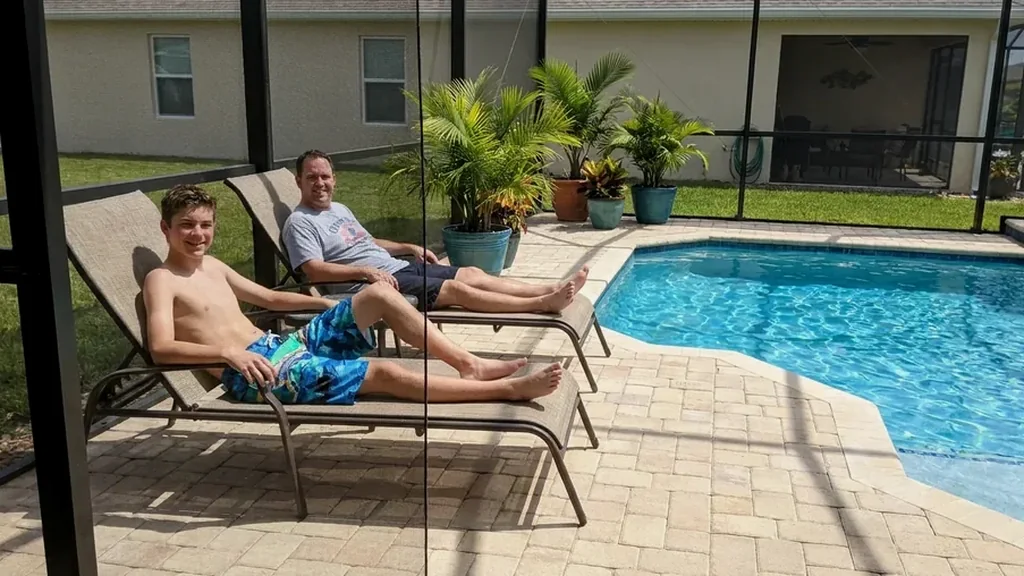
Why hire a local paver sealing contractor in Jacksonville?
Jacksonville homeowners lean on a local paver contractor because the calendar here matters as much as the pavers. Pollen in spring, storms all summer and a short dry winter all shape when a coat can go down, so get a free estimate online and ask which month fits your yard.
Free estimate at your home
A contractor comes to your Jacksonville address, measures the pavers and gives you a price. You owe nothing for that visit.
A price range in plain view
Northeast Florida companies commonly publish $1.75 to $3.25 per square foot to clean, sand and seal. Use it to judge any Jacksonville bid.
A date that suits the season
The dry months from November to April give sealer more dry days. Summer jobs can still work around the afternoon storms here.
You make every call
You pick the finish, the date and whether to go ahead at all. A Jacksonville estimate comes with no obligation to book.
Get Your Free Estimate in Jacksonville
Tell us about your pavers in Jacksonville.
Free, no obligation
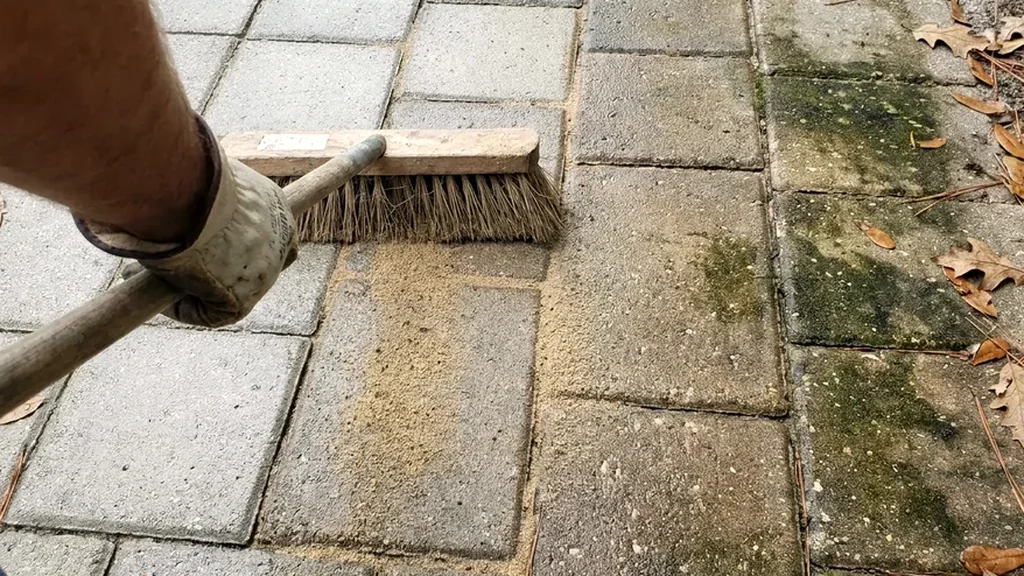
What paver problems show up most in Jacksonville?
Spring pollen on the driveway
Local trees start shedding pollen in February, and Jacksonville drivers see it as yellow streaks on their cars and a film on pool water. Oak and pine are the main sources, and the same dust settles on pavers. Sealer needs a clean, dry surface, which means a coat laid in heavy pollen can trap that film. A contractor may rinse right before sealing or pick a week after the worst has passed.
Summer storms that empty the joints
From May through September, Jacksonville rain tends to come in short, hard bursts with thunder and lightning. Duval County's common sand drains fast, and one local paver company says summer downpours wash sand out of unsealed joints. Once the joints are low, weeds have room to start. Each storm season that passes without a refill makes the gaps a little wider. You may notice sand in the gutter after a hard rain, which is a sign the joints are emptying.
Humid days that slow drying
July highs here average about 92 degrees, and the air stays humid for months. One Jacksonville paver company says drying pavers after cleaning is harder in humid months. It also says nearly every coat that turns cloudy white traces back to damp pavers or too much product. That is why a careful job sometimes pauses between the wash and the sealer. A coat that looks milky after it dries usually has to come off before a new one goes on.
Mud and debris after a big storm
Atlantic hurricane season runs from June 1 to November 30, and Irma brought record flooding to Jacksonville in 2017. Storm water can leave silt, leaves and grit across a driveway. A sealing company in town notes that a coat locks in whatever is on the surface. So after a storm, the cleanup has to come before any sealer, even if the pavers look fine from the street. Point out where the water sat, since those are the spots that hold the most grit.
Color fading on open driveways
One Jacksonville paver company says unsealed concrete pavers fade noticeably within three to five years in the local sun. A local cost guide adds that driveways and pool decks take the most sun and traffic. Those surfaces often need a fresh coat sooner than a shaded patio. If the front of your drive looks lighter than the strip by the garage, sun is the likely reason. A wet-look coat deepens whatever color is left, so ask to see a sample spot first.
Do older Jacksonville neighborhoods need a different sealing plan?
Often they do, because Jacksonville homes span more than a century of building. Avondale, Ortega, Springfield and Riverside are all National Register historic districts. If your pavers meet the walls of an older home, the contractor can keep rinse water and overspray off them, so get a free estimate online and mention what your house is built from.
Farther out sits a ring of postwar neighborhoods that one local writer says now has a mature landscape. Cedar Hills grew to more than 3,000 brick or block ranch homes in the 1940s and 1950s, and Lakewood was mostly built out by 1961. Grown trees bring shade, leaf stains and slower drying, so call (904) 932-1301 if your pavers sit under old branches.
The city is split into Northside, Westside, Arlington, Southside and the Beaches, with more than 500 neighborhoods inside those areas. A historic bungalow, a 1950s ranch and a newer house near the ocean each start from a different place. Their pavers differ in age, shade and wear. Naming your neighborhood helps the contractor picture the lot, so add it when you get a free estimate online.
What does paver sealing cost in Jacksonville?
For a full clean, re-sand and seal, paver companies in this region commonly publish $1.75 to $3.25 per square foot. A Jacksonville job lands higher in that range when an old coat has failed, the joints are empty or stains need extra work. Jacksonville patios that are clean with full joints usually price toward the low end. You can get a free estimate online and get a number for your own pavers at no charge.
Size and layout matter too. One Jacksonville cost guide says smaller jobs cost more per square foot, and locked gates or tight side yards add prep time. Oil and rust spots get pre-treated during the wash, so a stained driveway takes longer than a clean one. Call (904) 932-1301 and describe how a crew would reach your pavers before the visit.
| Paved area | Typical example | Clean, sand and seal |
|---|---|---|
| 300 sq ft | Small patio or walkway | $525 to $975 |
| 600 sq ft | Two car driveway | $1,050 to $1,950 |
| 1,000 sq ft | Large driveway or pool deck | $1,750 to $3,250 |
| 1,500 sq ft | Driveway plus pool deck | $2,625 to $4,875 |
Math based on the $1.75 to $3.25 per square foot that Northeast Florida paver companies published as of November 2026. Your contractor sets the actual price after seeing the surface. Repairs, leveling and stripping failed sealer are usually extra.
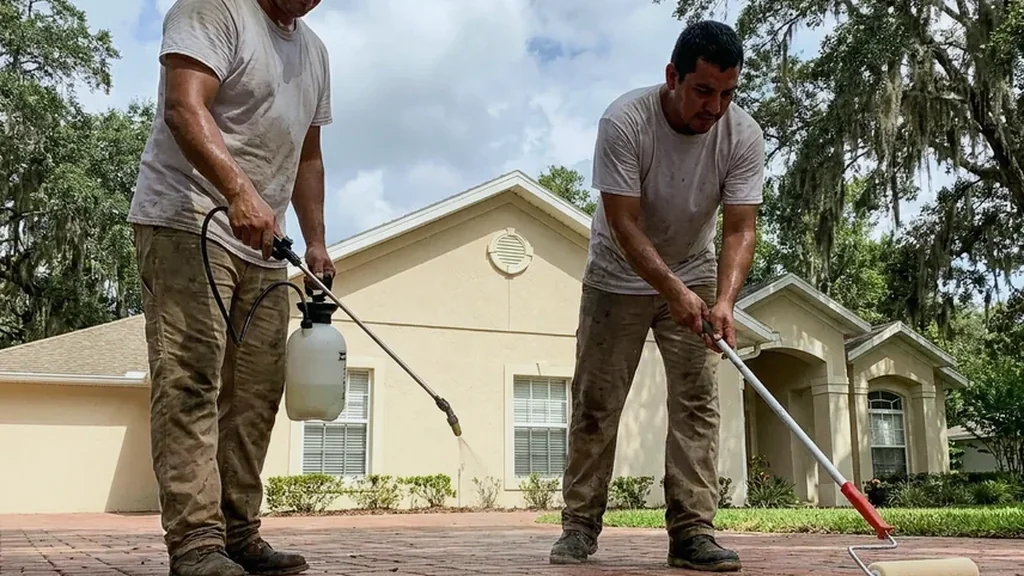
How does a paver sealing job work in Jacksonville?
Look over the pavers and pick a week
The contractor checks your Jacksonville pavers for sunken spots, loose edges, stains and any old sealer. One local company resets sunken areas on a rebuilt base first, since a coat locks in whatever is there. The visit is also a good time to pick a target week. In spring, that can mean waiting out the heaviest pollen. Point out any spot where water sits after rain, since low areas need attention first.
Wash off grime, pollen and stains
Cleaning clears dirt, mildew, weeds and the yellow film pines leave behind each spring. Oil and rust spots get pre-treated at this stage, and many lighten a lot. A few deep stains may not come out all the way. Ask the contractor to point those out before work starts. Shaded patios and pool areas may need extra time for algae, mildew and leaf stains.
Refill the joints with sand
Washing pulls sand from the joints, so fresh sand goes back in and gets swept across the surface. Sandy Duval County ground drains fast, and hard summer rain can flush loose sand toward the street. Full joints help keep weeds out. They also help the pavers stay locked in place. Sealing comes after the sand, never before, so the sand can settle into the joints first.
Hold off until it is dry
Sealer needs a dry surface, and humid Jacksonville weather can slow that down. One local company says cloudy white coats nearly always trace back to damp pavers or too much product. A careful contractor waits instead of rushing. After a summer storm, that wait can stretch a bit longer. A shaded corner usually dries last, so it is the spot to check before the coat goes on.
Spray, back-roll and let it cure
The sealer is sprayed on and then back-rolled, which spreads it evenly and works it into the joints. Between coats, local companies commonly quote a span of two to five years. Most people can walk across it again after a few hours. Cars need roughly a day before they park on it, so many Jacksonville homeowners leave theirs on the street or in the garage that night.
Complete paver services in Jacksonville
Most Jacksonville jobs follow four steps: wash, refill the joints, let the surface dry, then seal. Washing pulls sand out of the joints, so new sand goes back in before any sealer touches the pavers. Doing it in that order keeps dirt from getting trapped under the coat. To ask how long each step takes at your house, call (904) 932-1301.
Driveways take tire wear and the most sun, and one local cost guide says they often need a new coat sooner. Pool decks deal with splash and bare feet, while a shaded back patio can often go longer between coats. Front walks show wear where people step most. Name every surface you want covered when you get a free estimate online.
Sealer comes in two broad kinds, water-based and solvent-based, and a water-based coat cannot go over an old solvent-based one. Finish is the next choice. A wet look deepens color but shows scuffs sooner than matte, which matters on a busy driveway. Call (904) 932-1301 to talk through which pairing fits your Jacksonville home.
Jacksonville's driest months run from November through April, while rain piles up from May through September. One local cost guide likes fall, after hurricane season, or spring, before the humid peak. Summer work is still possible between storms if the pavers dry out. For a date that matches the forecast on your street, get a free estimate online.
Questions to ask before you hire
- From the first rinse to the last coat, how many days will the job take?
- What happens if an afternoon storm rolls in while the sealer is still wet?
- This close to the ocean, when do you think the pavers will need sealing again?
- When do you collect payment, and do you need anything to hold my date?
- Would you show me how the sealer looks on a few pavers before you do the rest?
- Before the job starts, can I have a copy of your insurance and the license number this work needs?
- Will you clean out the old joints and fill them with fresh sand first?
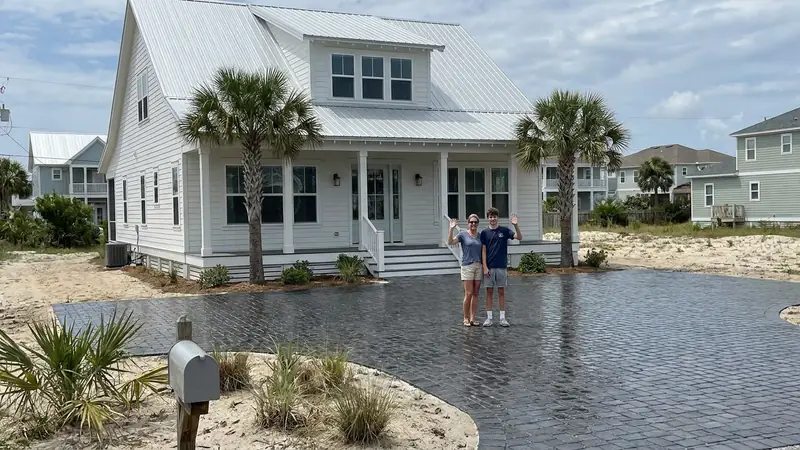
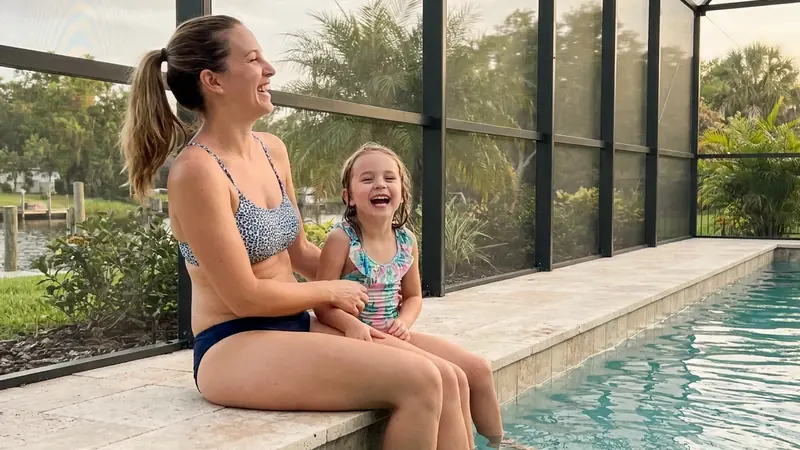
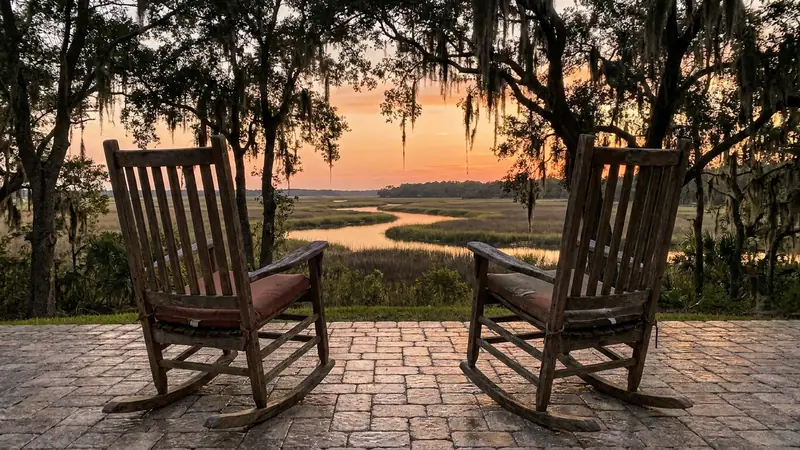
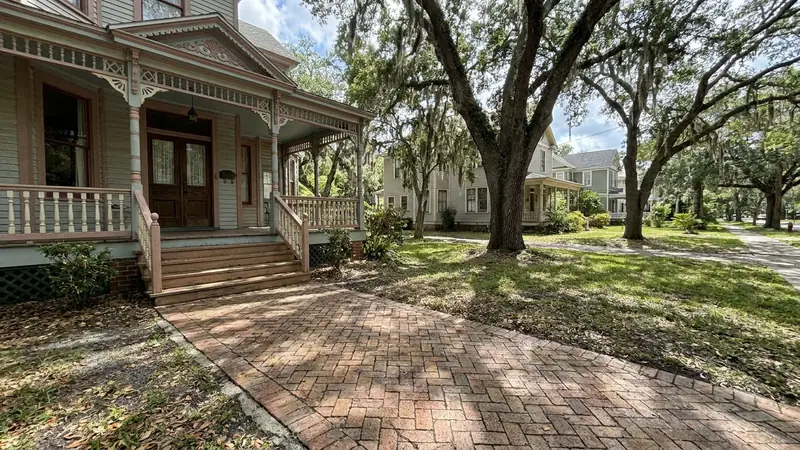
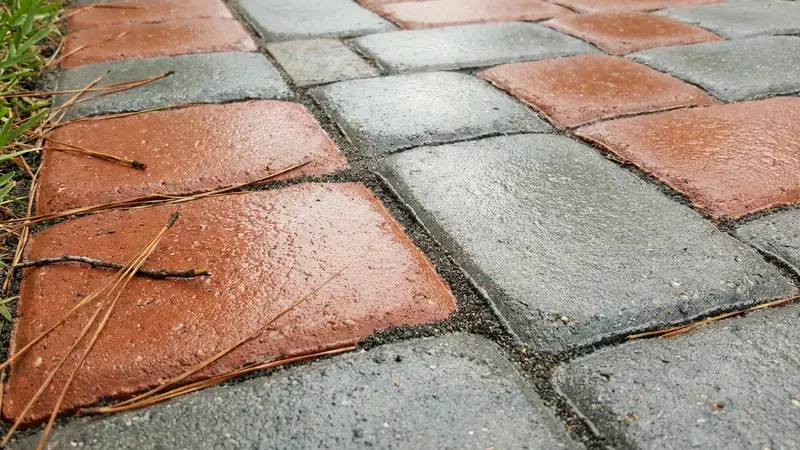
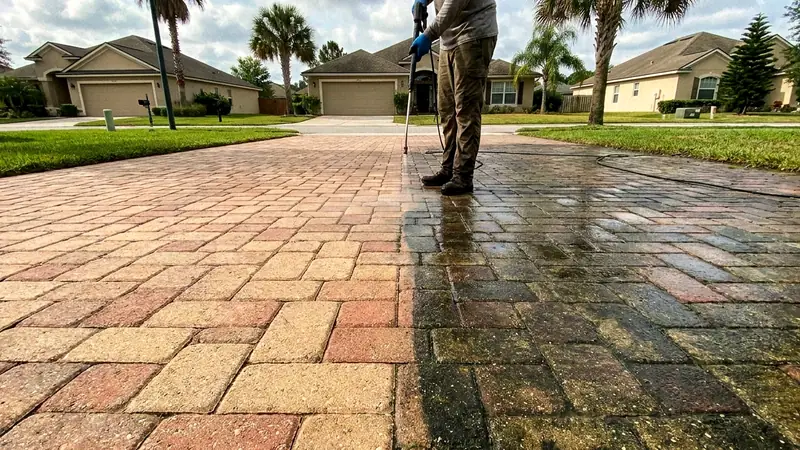
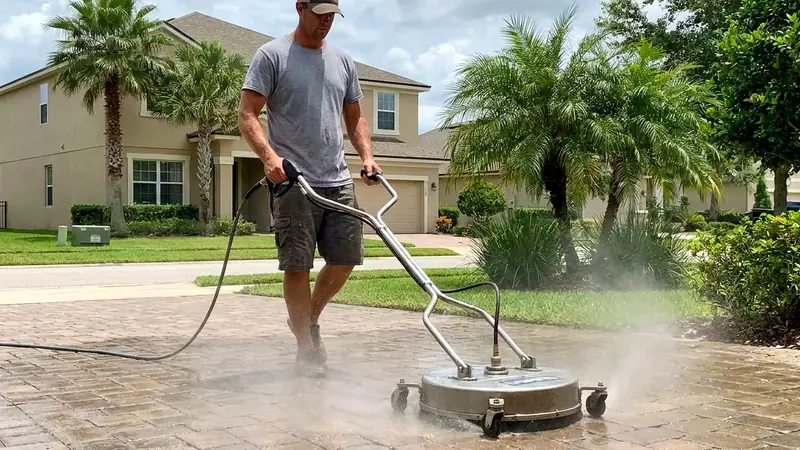
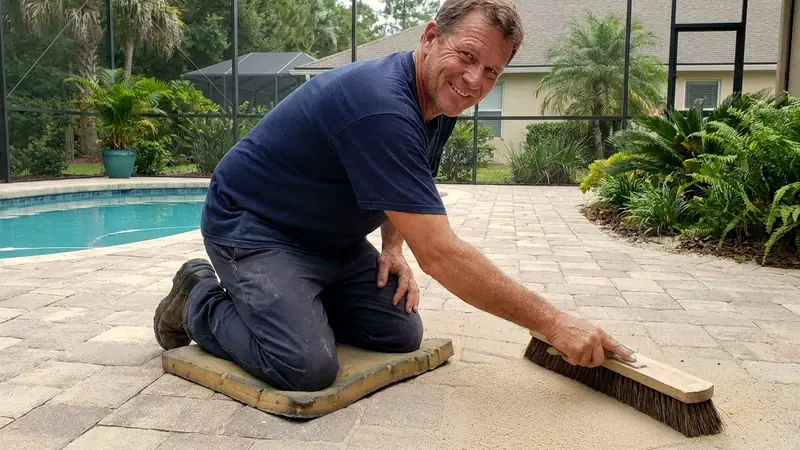
What do sealed pavers look like around Jacksonville?
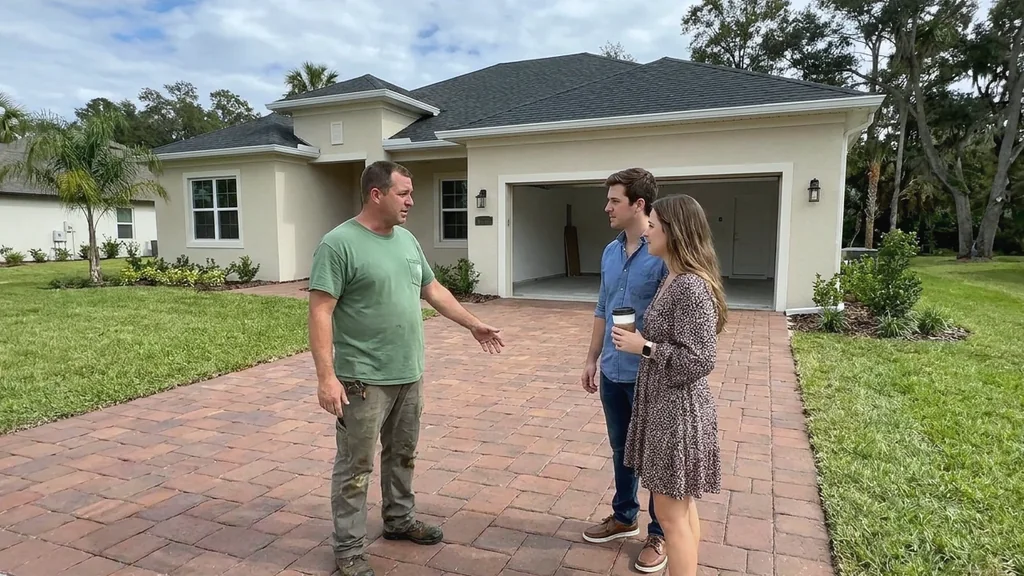
Why local matters in Jacksonville
A Jacksonville contractor knows pollen season starts early, with elm trees ramping up as soon as late January. Oak and pine follow through the spring months. Knowing that helps you avoid a fresh coat that catches the first yellow dust, so call (904) 932-1301 and ask about a date that dodges it.
Storm season is another reason local timing matters. Atlantic hurricane season runs from June 1 to November 30, and its peak falls around September 10. A storm can also leave silt and leaves that need washing off before any coat goes down. A contractor booking late summer work here should watch the tropics, so get a free estimate online and ask how a storm on the forecast would change your date.
Local contractors also know how hard Jacksonville sun is on bare pavers. One local paver company says unsealed concrete pavers fade within three to five years here. A cost guide adds that waiting lets sun, moisture and stains sink deeper, which raises the cost of the next job, so get a free estimate online before the color goes flat.
What has Jacksonville weather done to pavers over the years?
Mostly it has brought heavy rain and the odd big storm, plus a few cold nights. Hurricane Dora in 1964 is the only recorded storm to hit the First Coast with sustained hurricane-force winds. Irma in 2017 caused record flooding, and Matthew in 2016 cut power to about 250,000 people. If storm water ever crossed your pavers, call (904) 932-1301 and say so.
Winters are gentler, with only about 10 to 15 nights at or below freezing in a typical year. That cool, dry stretch is a good window for sealing in Springfield, in Ortega and out near the Timucuan Preserve on Black Hammock Island. Fewer storms also means fewer interruptions between the wash and the coat. To ask about a winter slot for your Jacksonville pavers, get a free estimate online.
Frequently Asked Questions
How much does paver sealing cost in Jacksonville?
In Jacksonville, a full clean, sand and seal usually prices at $1.75 to $3.25 per square foot, the range regional companies publish. A Jacksonville driveway with failed sealer or empty joints sits toward the top. A clean patio with full joints sits lower.
How much should I pay for paver sealing in Jacksonville?
Expect a bid inside the $1.75 to $3.25 per square foot range for a full clean, sand and seal. Get the measured square footage on paper, then multiply it out yourself. If a quote leaves out joint sand, ask why, since washing removes it.
Are there any drawbacks to sealing pavers in Jacksonville?
Yes, sealer is upkeep rather than a one-time fix. Companies commonly quote two to five years between coats, and a wet look shows scuffs sooner than matte. In Jacksonville's humid months, finding a dry day can also push your date back.
How often should you reseal pavers in Jacksonville?
Most Jacksonville pavers need a new coat every two to five years, the span companies commonly quote. One Jacksonville cost guide says driveways and pool decks lean toward three years because of sun and traffic. Shaded patios can often go closer to five.
How much does it cost to clean and reseal pavers in Jacksonville?
Cleaning, new joint sand and a fresh coat together commonly run $1.75 to $3.25 per square foot in Northeast Florida. Stripping a failed coat first adds work, which pushes a Jacksonville quote higher. A free estimate gives you a figure for your own layout.
How much does it cost to seal outdoor pavers around a back patio?
A patio is priced by the square foot like a driveway, inside the same $1.75 to $3.25 range. One local cost guide says shaded and pool-side patios need extra cleaning for algae, mildew and leaf stains. Small patios can also cost more per square foot than big ones.
Which months work well for sealing pavers in Jacksonville?
November through April is the driest stretch, which gives sealer more dry days. One Jacksonville cost guide also points to fall, after hurricane season, and spring, before the humid peak. Ask about pollen timing if your pavers sit under pines or oaks.
What do professionals use to seal pavers in Jacksonville?
Professionals use either a water-based or a solvent-based sealer, in a matte or wet-look finish. One Jacksonville paver company says crews spray it on and then back-roll it into the joints. Ask for the product name and keep it, since a water-based coat cannot go over a solvent-based one.
How long do I stay off newly sealed pavers in Jacksonville?
Foot traffic is usually fine within a few hours, according to one Jacksonville company. Cars should stay off for about a day, depending on the sealer and the weather. Many homeowners park on the street or in the garage overnight.
Nearby areas we serve
Ready for a Free Estimate in Jacksonville?
Call (904) 932-1301 and tell us about your pavers.
Free, no obligation