
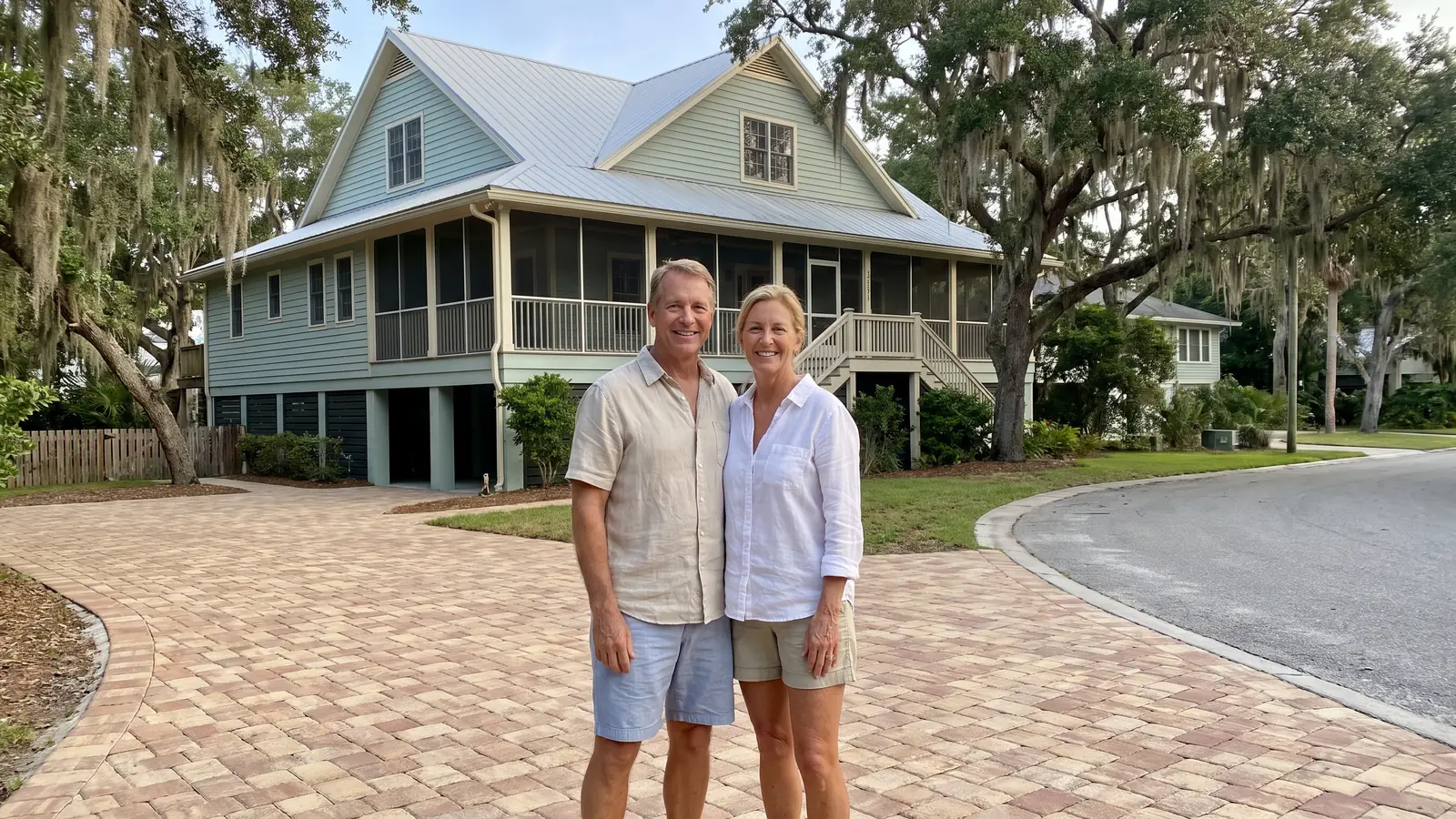
Paver sealing for Fort Caroline homes
Paver Sealing in Fort Caroline, FL
Near Mount Pleasant Road or inside Queen's Harbour, Fort Caroline pavers can get a free sealing estimate; call (904) 932-1301.
- Brings out deeper paver color
- Fresh joint sand helps lock pavers in place
- Gives weeds less room to grow
- Makes the surface easier to keep clean
- Free estimate, no obligation
Request a Free Estimate
Free, no obligation.
Fast, careful paver sealing in Fort Caroline
Paver sealing in Fort Caroline is available for driveways, pool decks, lanais and walkways across the 32225 ZIP code. A local contractor provides a free estimate, and you will hear back within 1 business day, usually much sooner. Gated golf communities and wooded lots near the preserve are both covered. To set it up, get a free estimate online.
Imagine a pool deck in Fort Caroline with a gray film in the corners and a few pavers tipped up by an oak root. After the root spot is reset and the deck is cleaned, sanded and sealed, the surface reads as one smooth color again. Water beads on the coat instead of soaking into the brick. To talk it through first, call (904) 932-1301.
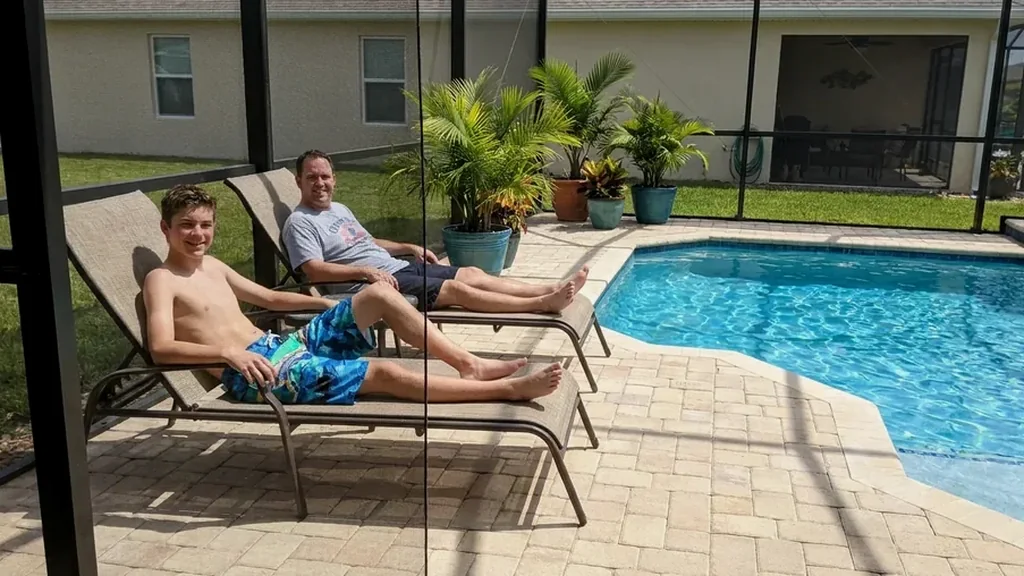
Why hire a local paver sealing contractor in Fort Caroline?
Fort Caroline pairs gated waterfront homes with lots that back onto deep woods, and both are hard on pavers in their own way. Homeowners here lean toward a local contractor for that reason, so get a free estimate online and describe your yard.
Free look in Fort Caroline
A contractor checks your Fort Caroline pavers in person and prices the work. The visit is free and you owe nothing after.
A fair price check
Northeast Florida companies commonly publish $1.75 to $3.25 per square foot to clean, sand and seal. Weigh every quote against it.
Roots fixed before sealing
Pavers lifted by oak roots get reset first. Sealing over a lifted edge only keeps it there.
Finish and timing are yours
Choose matte or wet look and the week that suits you. Nothing is booked until you approve the plan.
Get Your Free Estimate in Fort Caroline
Tell us about your pavers in Fort Caroline.
Free, no obligation
What paver problems show up most in Fort Caroline?
Oak roots pushing pavers out of line
Queen's Harbour was laid out with some homes set among broad oak trees, and big oaks spread wide roots. A Jacksonville sealing company says a section lifted by roots has to be reset before sealing, because sealer only holds the problem in place. Lifted edges also catch toes and mower wheels. On a Fort Caroline lot with mature oaks, expect the contractor to look for raised pavers first. Fixing the edge first also keeps the new joint sand from spilling out of the gap.
Green growth on lots beside the woods
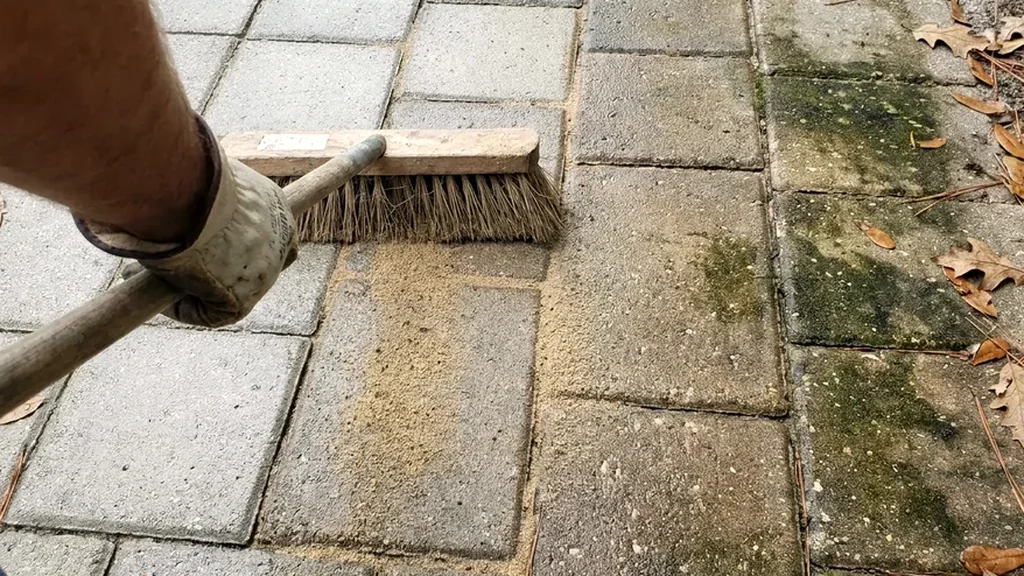
Willie Browne's old land, now the Theodore Roosevelt Area, is thick woods with a creek and a pond running through it. Homes near woods like that can have pavers that sit in shade most of the day. Moss and algae take hold on pavers only where shade is heavy and the surface stays damp. A Fort Caroline patio facing the trees will usually turn green before a sunny front walk does. That film dulls the color and tends to come back where the surface stays wet.
Old coats on 1980s homes
Queen's Harbour opened in 1988, and one listed home in Hidden Hills was built that same year. Pavers on homes that age may have been sealed several times with products no one recorded. Water-based sealer cannot go over solvent-based sealer, and a milky or white finish means the old coat has failed and must come off. A Fort Caroline quote should start with what is already there. Old receipts or a builder's paperwork can save time, since they may name the product.
Orange stains near golf and pond lots
University of Florida extension says most Florida well water is high in iron and can leave orange stains where it sprays. Homes along a fairway or a pond often run heavy irrigation. If your Fort Caroline sprinklers draw from a well, watch for rust lines on the pavers they reach. Those marks get treated before sealing, or the coat would keep them locked in. Turning spray heads away from the pavers helps keep new lines from forming after the job.
Sand washed out by summer storms
Jacksonville averages about 52 inches of rain a year, and most of it falls from May to September in short, hard bursts. Each storm carries some joint sand away, and ants move into the loose sand that is left. Once the joints drop, pavers can rock and shift. Fresh sand and a sealer coat help a Fort Caroline drive hold together through the wet months. If you sweep up little sand piles near the garage, the joints are already running low.
What should Fort Caroline homeowners in gated communities know about paver sealing?
Mainly that rules, roots and water views shape the job. Queen's Harbour, in the same 32225 ZIP code, is a 24-hour gated community where homes sit on the Intracoastal, on a lagoon, along the golf course or among oaks. A lock lifts boats from the Intracoastal into its freshwater lake. When you get a free estimate online, say which part of Queen's Harbour you live in.
Hidden Hills CC is another gated golf community, listed in the Fort Caroline MLS area. Lots there can run close to half an acre, with fairway and pond views behind the house. Bigger lots usually mean longer drives and wider pool decks, which adds square footage. Call (904) 932-1301 and give the contractor the gate details ahead of the visit.
Gated or not, HOA rules often limit where cars can sit, and a fresh coat keeps cars off for about a day. One Jacksonville company tells HOA homeowners to check street parking rules before the sealing date. Newer homes, like a 2021 build on Shipwatch Drive, may still have their first coat ahead of them. To plan around your HOA, get a free estimate online.
What does paver sealing cost in Fort Caroline?
For Fort Caroline, the price guide is the $1.75 to $3.25 per square foot Northeast Florida companies commonly publish to clean, sand and seal. Fort Caroline lots in gated golf communities often carry long drives and large pool decks, so the square footage climbs fast. A single front walk on a smaller lot totals far less at the same rate. To learn where your job falls, get a free estimate online.
Condition moves the number inside that range. Heavy mold, rust stains, missing sand, root repairs and failed sealer all add labor, according to one Jacksonville company. A newer deck in good shape needs less prep than an older one under the oaks. Call (904) 932-1301 and the contractor can explain your Fort Caroline quote line by line.
| Paved area | Typical example | Clean, sand and seal |
|---|---|---|
| 300 sq ft | Small patio or walkway | $525 to $975 |
| 600 sq ft | Two car driveway | $1,050 to $1,950 |
| 1,000 sq ft | Large driveway or pool deck | $1,750 to $3,250 |
| 1,500 sq ft | Driveway plus pool deck | $2,625 to $4,875 |
Math based on the $1.75 to $3.25 per square foot that Northeast Florida paver companies published as of November 2026. Your contractor sets the actual price after seeing the surface. Repairs, leveling and stripping failed sealer are usually extra.
How does a paver sealing job work in Fort Caroline?
Walk the pavers and spot root damage
The contractor starts with a walk around your Fort Caroline property, looking for raised edges near trees and dips where cars park. Those spots get reset before any sealer goes on. Old sealer is checked for milky or peeling patches that need stripping. You get the price before anything is scheduled, along with what needs fixing first. Mention any parts of the yard that hold water after rain.
Clean off film, rust and dirt
Washing clears green film from shady corners, dirt from the drive and tired sand from the joints. Rust lines from irrigation and oil spots get pretreated. On a pool deck, rinse water is kept out of the pool. The surface should look even before sand goes back in. Some deep oil or rust stains only lighten, so ask which ones should fade.
Fill the joints again
The wash empties the joints, so fresh sand is swept back into every one. Full joints keep the pavers locked together and leave no loose sand for ants. Extra sand is cleared off the surface. Sealing comes only after the joints are full. Ask for sand in a shade close to your pavers, since it shows between every one.
Wait out the damp
Sealer needs a dry surface, and a patio shaded by woods or oaks can hold moisture for hours. Duval County's fine sand can keep things damp after a storm, too. A careful contractor would rather move the date than seal over moisture, which can turn the coat cloudy. Plan for some flexibility in the wet months. A short delay is easier than stripping a hazy coat later.
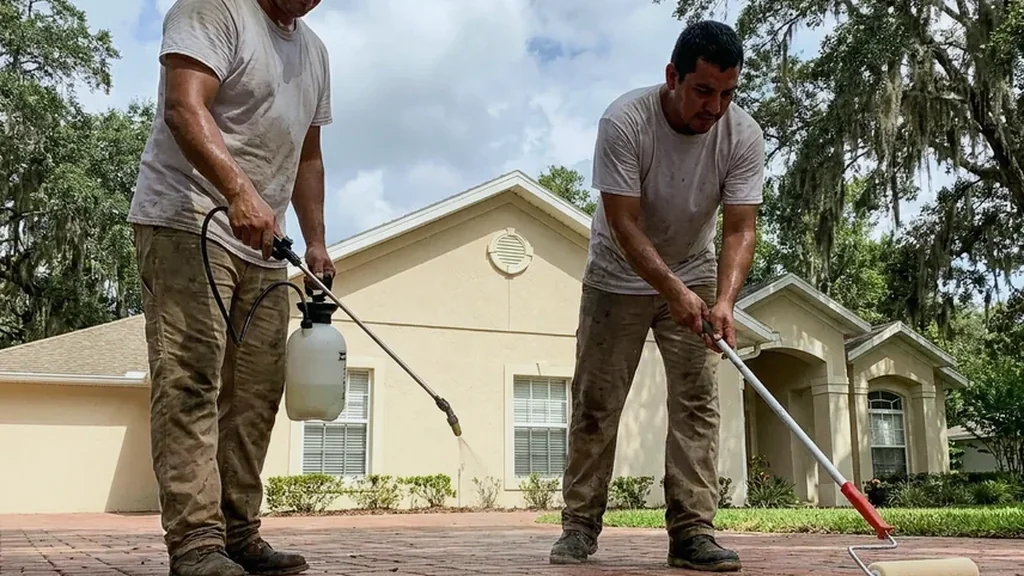
Spray, back-roll and let it cure
The sealer goes on in your chosen finish, sprayed first and then back-rolled for even coverage. One Jacksonville company says walking on a fresh Fort Caroline coat is fine after a few hours. Cars stay off for about a day. Ask the contractor when your Fort Caroline drive is ready to use again. Keep the dog, the kids' bikes and the pool loungers off the new Fort Caroline coat until it sets.
Complete paver services in Fort Caroline
Each Fort Caroline job follows four steps: clean, re-sand, dry and seal. Cleaning lifts green film, dirt and worn sand, and root-lifted pavers are reset before anything else goes down. New sand fills the joints, and the sealer goes on last. To ask how long that takes for your layout, call (904) 932-1301.
Pool decks and lanais are common in Fort Caroline, along with long drives and front walks. Decks take splash water and bare feet, while drives take tires and fade in the sun. Patios facing the woods tend to stay damp and grow a green film. List every surface you want done when you get a free estimate online.
Sealers come in water-based and solvent-based types, with matte or wet look finishes. One Jacksonville company says wet look sealers wear faster on drives than on patios, and they show scuffs sooner too. A water-based product cannot go over solvent-based sealer, so the old coat on a 1980s Fort Caroline home decides first. Call (904) 932-1301 to talk through your choice.
Most of the year's rain falls from May to September, often in quick afternoon storms. A shaded lot near the preserve can stay damp well after a sunny cul-de-sac has dried. A careful contractor watches both the forecast and the ground before sealing. For timing that fits your Fort Caroline home, get a free estimate online.
Questions to ask before you hire
- From the first rinse to the last coat, how many days will the job take?
- Once the job is done, how should I reach you with a question?
- Do you offer a shiny finish and one that keeps the pavers looking natural?
- How do you keep spray off my shrubs, my pool cage and the side of the house?
- Can you tell me the name of the sealer you use and why it suits pavers like mine?
- Will you clean out the old joints and fill them with fresh sand first?
- Is the price you quoted for the whole job, with the washing and sand, or are those extra?
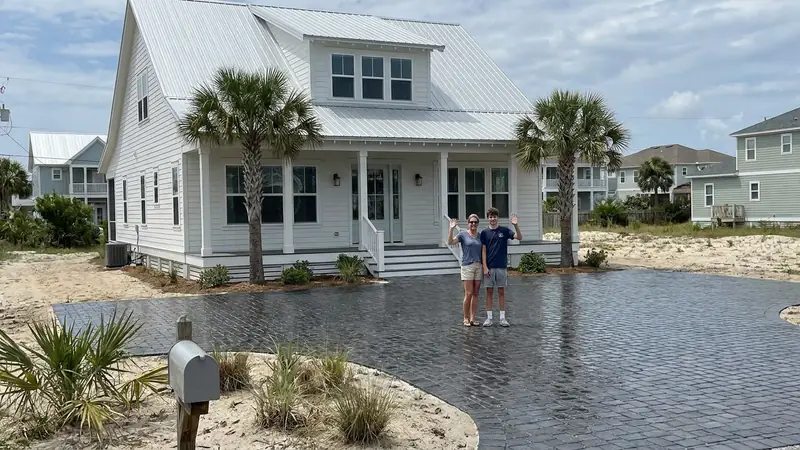
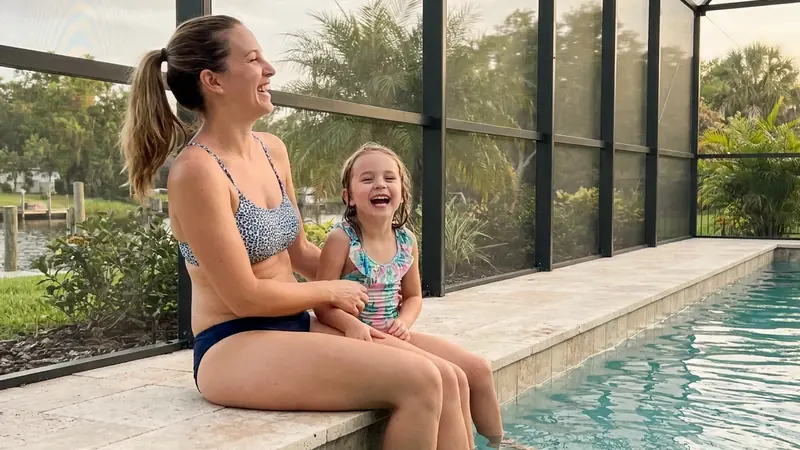
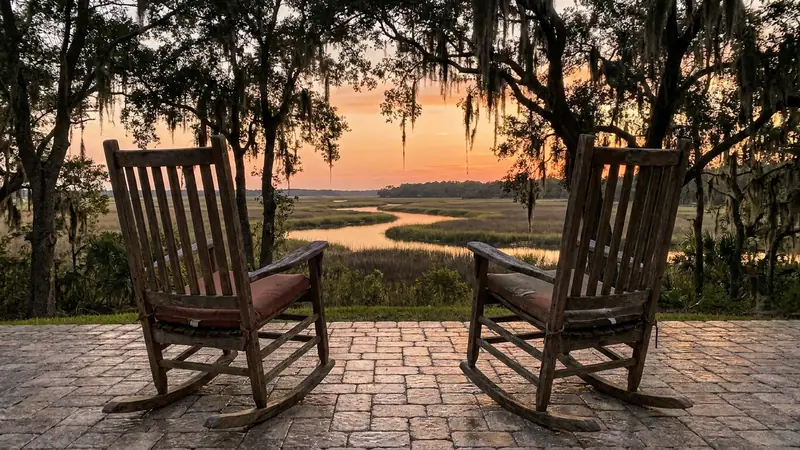
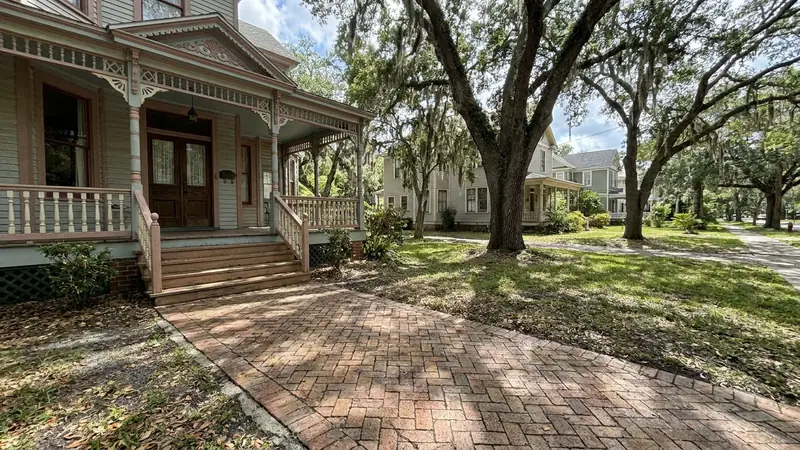
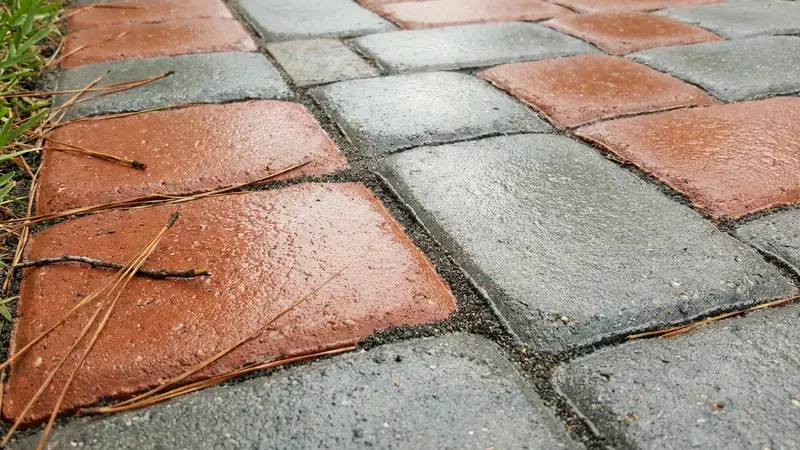
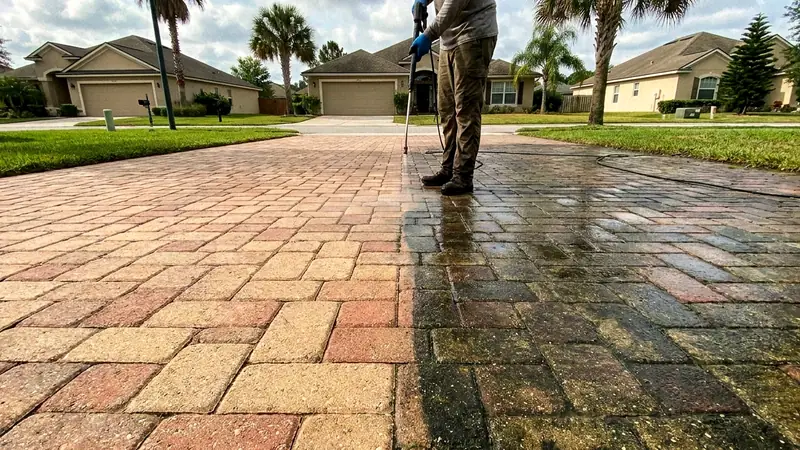
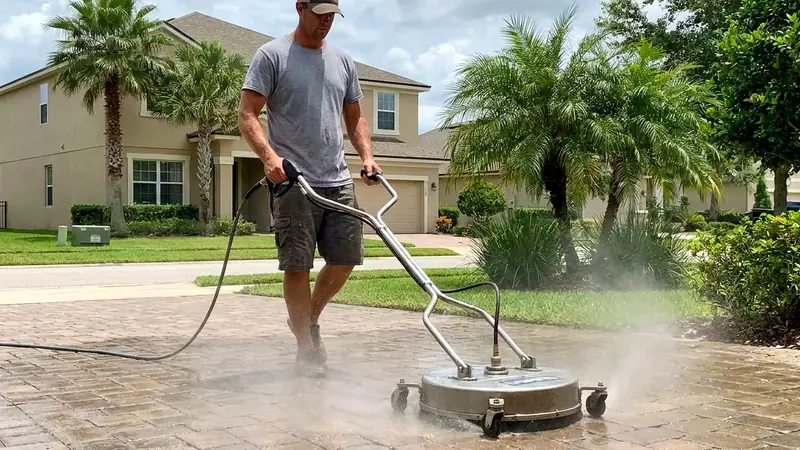
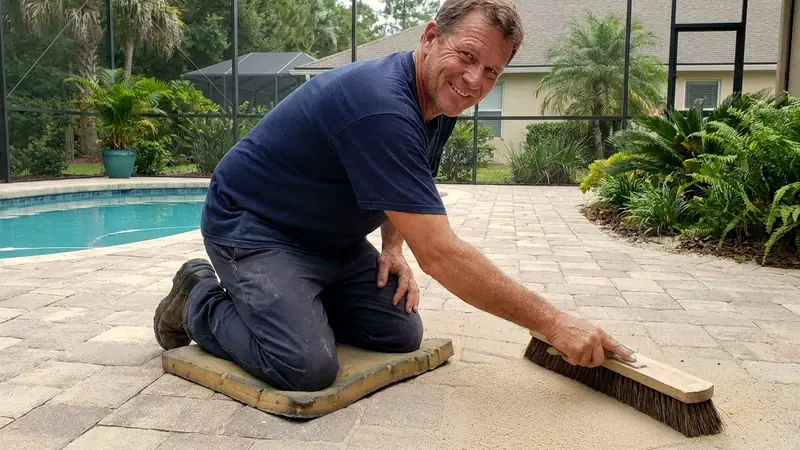
What do sealed pavers look like around Fort Caroline?
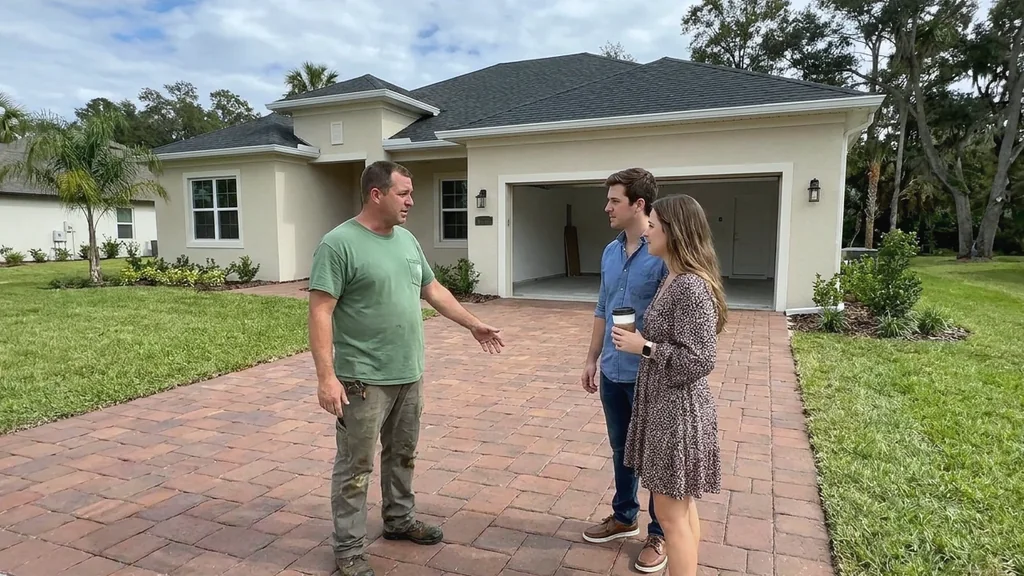
Why local matters in Fort Caroline
A contractor who knows Fort Caroline expects oak roots, gate codes and HOA rules before arriving. That saves a second visit and keeps the quote honest about repairs. Someone new to the area may miss a lifted edge under the leaves. To reach a contractor who works this side of the river, call (904) 932-1301.
Local timing also matters, since summer storms here tend to roll in during the afternoon. A contractor used to the area plans early starts and watches how long shaded lots stay damp. That can be the difference between a clear coat and a cloudy one. You can get a free estimate online and ask how they schedule around the weather.
Many Fort Caroline homes date to the late 1980s, and their pavers may carry a mix of old coats. A local contractor knows to identify those before choosing a sealer, since water-based cannot go over solvent-based. Getting that wrong can mean peeling within months. If you want the old coat checked first, get a free estimate online, with no obligation.
Is Fort Caroline's history part of why local knowledge matters?
Yes, since this is one of the oldest named places in the region, and much of it stays wooded. French settlers built Fort Caroline in 1564 below what became St. Johns Bluff, and the national memorial opened in 1953. It drew 369,183 visitors in 2025. If you live near the memorial on Fort Caroline Road, get a free estimate online.
Close by, Willie Browne pumped his water by hand from a well and gave his land away in 1969 so it would stay wild. Today the Spanish Pond Trail leaves from Fort Caroline Road, and the Willie Browne Trail starts off Mount Pleasant Road and crosses Hammock Creek. The Ribault Column stands nearby, a replica of a 1562 marker. Near any of these Fort Caroline landmarks, call (904) 932-1301.
Frequently Asked Questions
What is the average cost to seal pavers in Fort Caroline, Florida?
The average sits within the $1.75 to $3.25 per square foot range Northeast Florida companies commonly publish for a clean, sand and seal. Most Fort Caroline jobs fall inside that range, with root repairs, rust or old sealer pushing them higher. Ask for the square footage on the quote so you can check it against the range. Pool decks and drives are often quoted together, which can make the total easier to compare.
How much is paver sealing per square foot in Fort Caroline?
Expect $1.75 to $3.25 per square foot for the full clean, sand and seal. That rate times your total area gives a rough total. Large pool decks and long drives in Fort Caroline's golf communities add up quickly, even at the low end. Measure your drive, walk and deck before the visit if you want a rough idea ahead of time.
Is it good to seal pavers in Fort Caroline, Florida?
Yes, for most Fort Caroline homes it is. Sealer holds joint sand in place, slows green growth and weeds, and helps protect color from strong sun. It wears off over a few years, so plan for a new coat down the road. Lots near the woods may need a little more cleaning each time, since shade keeps them damp.
Why is paver sealing so expensive in Fort Caroline?
Most of the cost is labor. Resetting root-lifted pavers, cleaning green film, replacing sand and waiting for dry pavers all take time before any sealer goes on. Stripping a failed coat on an older Fort Caroline home adds more work still. Each of those steps sits inside the published per square foot range, so ask how the quote breaks them out.
Do oak roots have to be fixed before my Fort Caroline pavers are sealed?
Yes, a root-lifted section should be reset first. Sealing over it only keeps the raised edge in place. Point out any spots near trees at the first visit so they are part of the quote. The contractor may suggest trimming or root work, which is a separate decision for you.
How often should pavers be resealed in Fort Caroline?
Fort Caroline pavers generally need a new coat every two to five years, the span companies commonly quote. Sunny drives and wet look finishes tend to need it sooner than shaded patios. If water soaks in instead of beading, it is time for a new coat. Writing down each coat's date makes the next one easier to plan.
Can new sealer go over the old coat on my 1980s Fort Caroline home?
Not always. A water-based product will not bond over a solvent-based one, and any milky or flaking Fort Caroline coat comes off before resealing. Keep any product names you find, since they help the contractor decide. A test spot in a corner can also show how a new product sits on the old one.
How do HOA rules in Queen's Harbour or Hidden Hills affect sealing?
They mostly affect parking and access. Cars stay off a fresh coat for about a day, so check your HOA's street parking rules before the date. Share gate details with the contractor ahead of time. Moving cars, planters and patio furniture the night before keeps the day on track.
Ready for a Free Estimate in Fort Caroline?
Call (904) 932-1301 and tell us about your pavers.
Free, no obligation